15 Oct 2026
Certification Standards Elevating Live Dealer Operations in Regulated US Markets
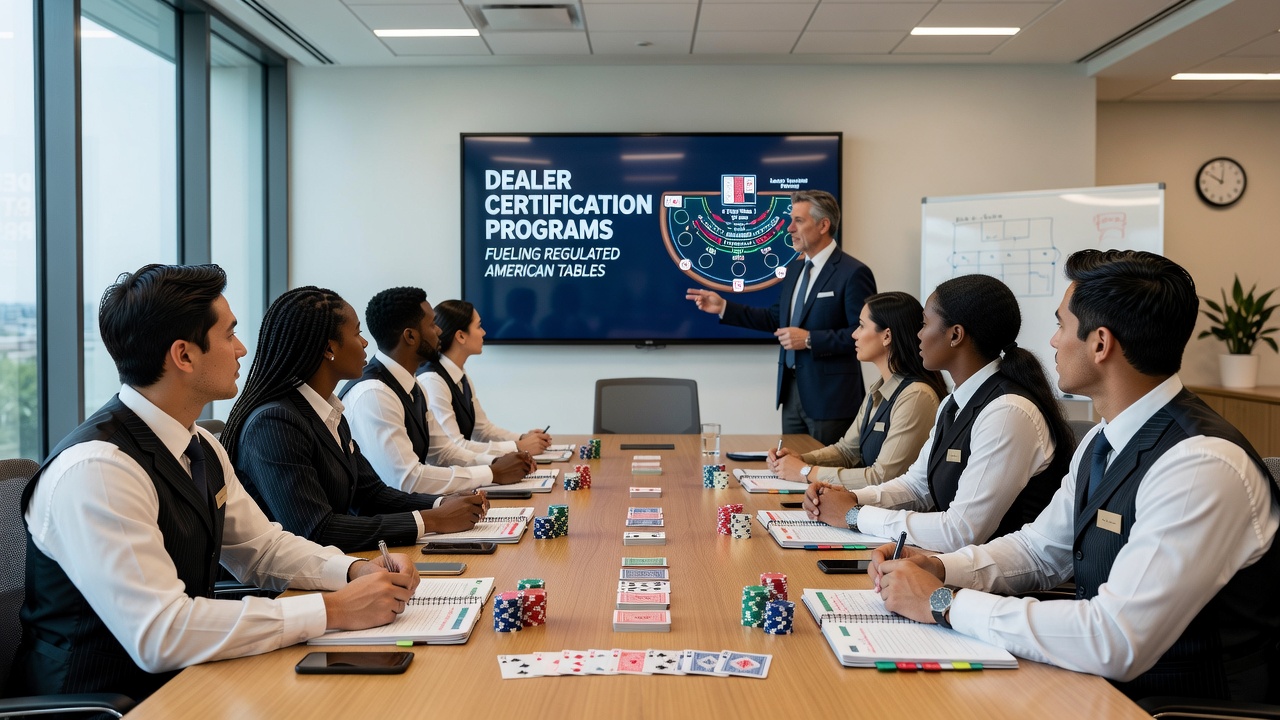
Dealer certification programs form a core component of regulated live dealer gaming across multiple American states, where operators must meet strict licensing conditions before offering real-time table games to players. These initiatives cover everything from game rules and software interfaces to security protocols and responsible conduct requirements, and state regulators review them as part of broader compliance frameworks. In practice, certification ensures that dealers who appear on camera maintain consistent standards whether they work in New Jersey studios, Pennsylvania facilities, or emerging markets such as Michigan and West Virginia.
Core Elements of Certification Curricula
Programs typically combine classroom instruction with supervised studio practice, and candidates must demonstrate proficiency in multiple areas before receiving credentials. Training covers blackjack, roulette, baccarat, and poker variants along with the specific random number generator integrations used by each platform provider. Security modules address card handling procedures, camera positioning, and incident reporting, while customer service segments focus on clear communication and adherence to house policies. Certification bodies often require periodic renewal, which includes updated modules on new game releases or regulatory changes that take effect each year.
Those who complete the coursework receive documented approval that operators submit during licensing audits. Data from state oversight agencies show that renewal cycles occur annually in most jurisdictions, and failure to maintain certification can result in temporary suspension of dealer privileges. Observers note that the emphasis on documented training helps reduce errors that might otherwise trigger disputes during live sessions.
Regulatory Oversight Across Jurisdictions
State gaming control boards set the minimum standards that certification programs must satisfy, and each jurisdiction maintains its own review process. The New Jersey Division of Gaming Enforcement, for example, evaluates training providers before they can issue credentials recognized by licensed operators. Similar reviews occur in Pennsylvania through the Pennsylvania Gaming Control Board and in other states where live dealer tables have received approval. These agencies verify that curricula align with statutes governing player protection, financial reporting, and technical integrity.
October 2026 marks the scheduled rollout of updated technical standards in several states that will require additional modules on multi-state game synchronization and enhanced encryption practices. Regulators have already circulated draft guidelines, and training providers are preparing revised materials to meet the new deadlines without disrupting existing studio operations.
Industry Collaboration and Training Providers
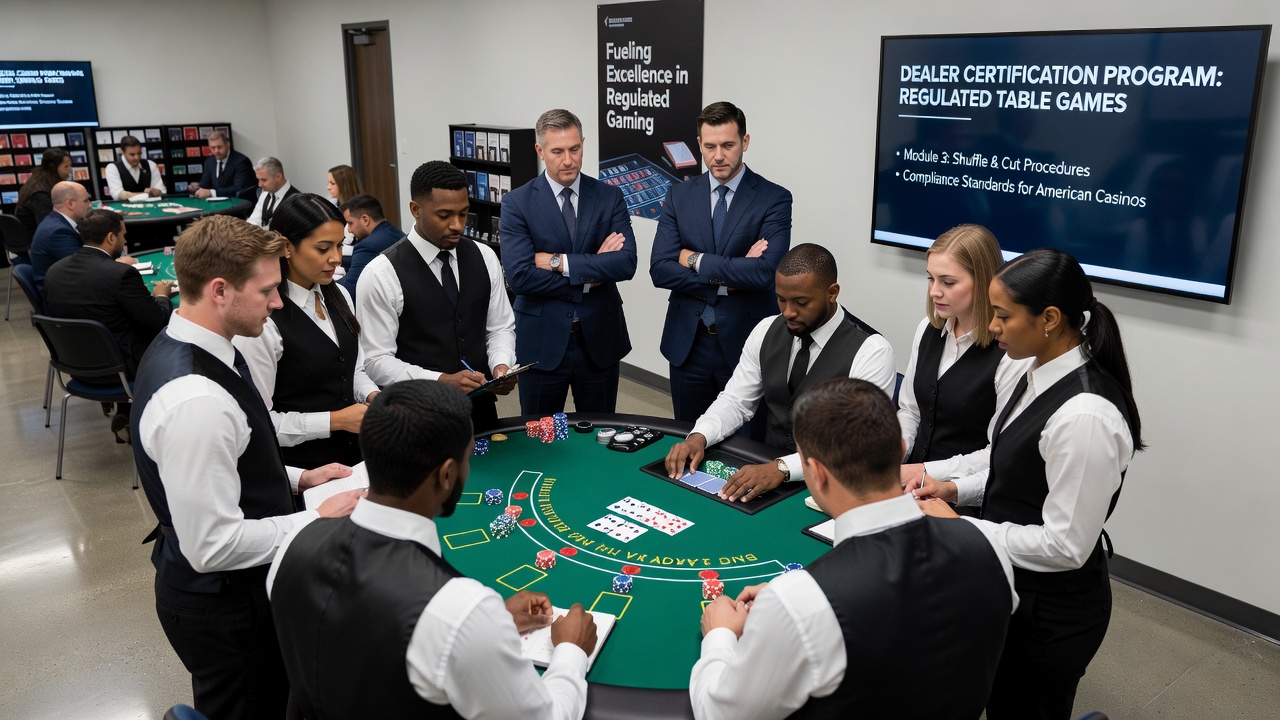
Software developers that supply live dealer platforms frequently partner with specialized academies to deliver standardized instruction. These partnerships allow operators to scale staffing quickly when new states legalize live tables. Independent training centers also operate in regions near major studio hubs, and they tailor courses to the hardware and software versions used by specific licensees. Industry associations track completion rates and share aggregated statistics that help regulators understand workforce readiness across different markets.
One notable development involves cross-state recognition agreements under discussion among several gaming commissions. Such agreements would allow a dealer certified in one jurisdiction to work in another without repeating the full curriculum, provided both states accept the core training elements. Early data indicate that these arrangements could reduce onboarding time by several weeks for experienced personnel.
Impact on Operational Reliability
Certified dealers contribute to smoother game flow and fewer interruptions during live broadcasts. Studies conducted by state regulators have linked higher certification rates with reduced incident reports related to procedural mistakes. Operators maintain internal records that document each dealer's certification status, and these records become part of the audit trail reviewed during routine inspections. The process creates a traceable chain from initial training through ongoing performance monitoring.
Equipment suppliers also participate in the ecosystem by providing simulators and practice tables that replicate the exact conditions dealers will encounter on air. This hands-on component allows candidates to rehearse under conditions that mirror regulatory expectations for lighting, camera angles, and audio clarity.
Future Developments and Workforce Planning
As additional states consider legislation authorizing live dealer tables, certification capacity has become a planning factor for both regulators and operators. Workforce projections prepared by industry research groups suggest that demand for certified personnel will continue to rise through the remainder of the decade. Training providers have responded by expanding online components that complement in-person studio sessions, thereby accommodating candidates who cannot relocate to established gaming hubs.
These expansions remain subject to the same regulatory scrutiny applied to traditional programs. State agencies continue to evaluate whether remote training segments deliver equivalent skill outcomes before granting approval for hybrid formats.
Conclusion
Dealer certification programs operate as an essential layer within the regulatory architecture that supports live table gaming in American markets. Through structured curricula, state oversight, and collaboration between training providers and platform developers, these initiatives deliver personnel who meet documented standards for skill and compliance. Ongoing updates, including those scheduled for October 2026, reflect the evolving technical and legal environment while maintaining focus on consistent operational quality across jurisdictions.